Shanxi: a local guide
Shanxi is a province in northern China where old China is still standing. Walled cities, Buddhist grottoes, merchant courtyards and timber temples survive here in a density no other province can match — and between them are sacred mountains to walk and the Yellow River running through the west. Most visitors see it in five to seven days, travelling north to south, and leave wondering why they had not heard of it sooner.
The classic route, north to south
- Datong, in the north — Datong Ancient City and its Huayan Temple and Prince Dai's Mansion, the Yungang Grottoes and the Hanging Temple and Mount Heng, with a half-day hike on the mountain for those who like a proper walk.
- Mount Wutai — one of China's four sacred Buddhist mountains, on the way south from Datong, with Foguang Temple on its flank, home to China's oldest wooden hall. See our Mount Wutai guide.
- Taiyuan, the capital — the gateway city and overnight base: the Shanxi Museum, the Twin Pagodas, and Jinci Temple, a garden-temple built around a spring, just outside the city.
- Pingyao and the merchant courtyards — Pingyao Ancient City, a UNESCO World Heritage Site, Shuanglin Temple just outside the walls, and the Wang and Qiao Family Compounds, the great courtyard houses of the Shanxi merchants.
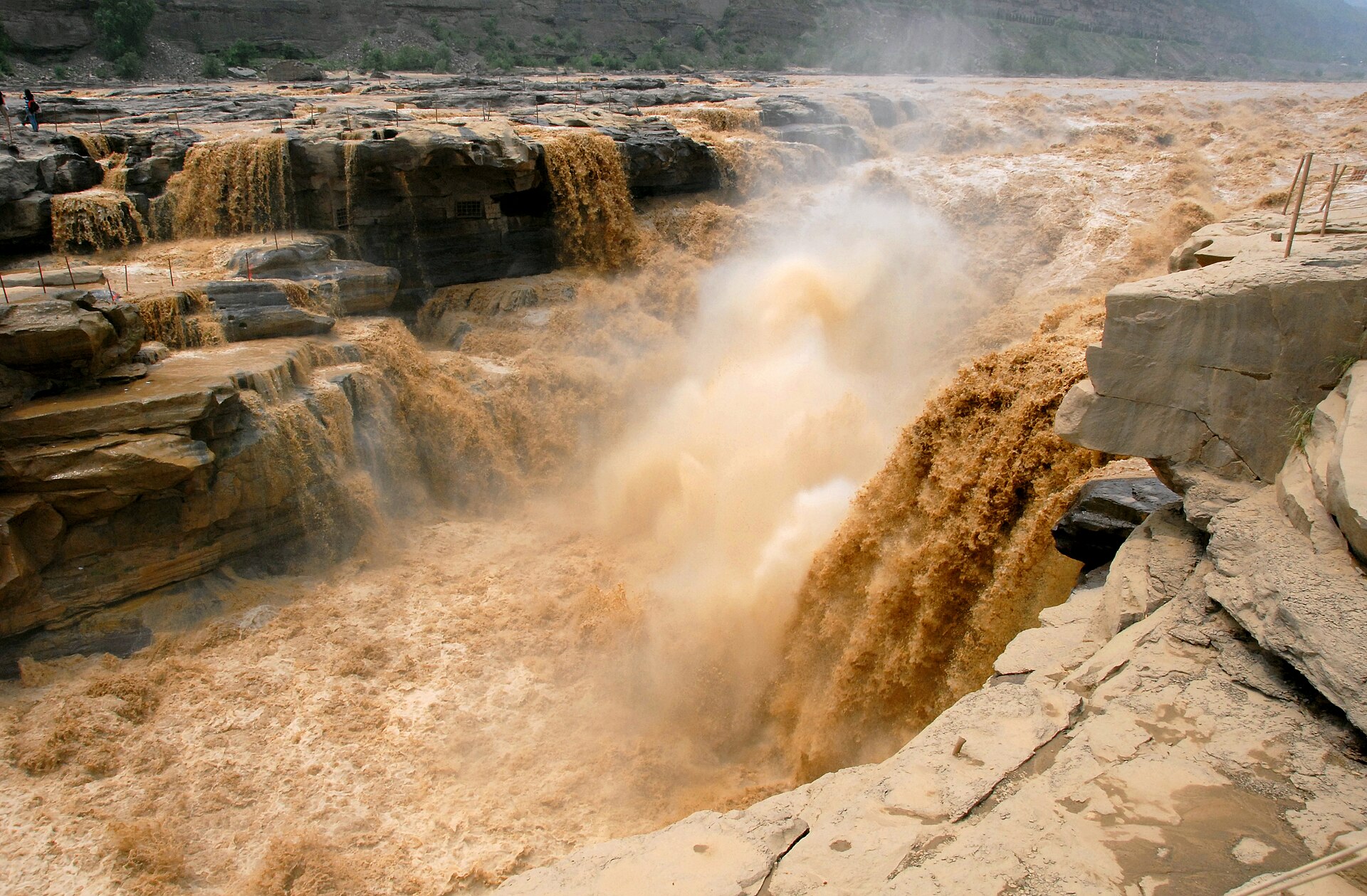
- The south: Hukou and the temples of Linfen — Hukou Waterfall, where the Yellow River squeezes through a rocky gorge and falls in a roar of yellow water, with Guangsheng Temple and Xiaoxitian nearby.
- The east: the Taihang Mountains — Taihang Grand Canyon, cliffs and gorges for walkers, a custom addition for hiking trips.
Culture first: the old cities and the grottoes
If you come for history, Shanxi repays every day you give it. Pingyao is China's best-preserved Ming–Qing walled city, and in the 19th century it was the banking heart of the empire. The Yungang Grottoes at Datong hold some of the finest early Buddhist sculpture in China, carved into the rock more than a thousand years ago. Mount Wutai has been a place of pilgrimage for over a thousand years, and its southern foothills keep some of China's oldest surviving timber halls — Foguang Temple's East Hall, from the Tang dynasty, is the oldest of them all. In Datong's old city, Huayan Temple keeps the art of the Liao dynasty, and Prince Dai's Mansion shows the scale of a Ming prince's palace. Outside Pingyao, Shuanglin Temple holds more than two thousand painted clay sculptures, and in the south, Guangsheng Temple and Xiaoxitian hold the glazed pagoda, the Yuan murals and the hanging sculptures. And in the merchant courtyards between Taiyuan and Pingyao, you can walk through the houses of the families who financed all of it.
Nature too: mountains, rivers and trails
Shanxi is not only temples and old towns. The province has real walking country, and visitors who like a hike will find it here:
- Mount Heng — one of China's five sacred mountains, with a half-day hike from the Hanging Temple up through pine forest to views over the northern plain.
- Mount Luya — alpine meadows, larch forest and an ice cave that stays frozen all year, in the north of the province.
- Yunqiu Mountain — forested valleys, streams and ice caves in the south, a walking mountain rather than a temple mountain, with an old stone village on its slopes.
- Hukou Waterfall — the Yellow River itself, at its most dramatic, with short walks between viewpoints along the gorge.
- Taihang Grand Canyon — red cliffs, deep gorges and ridge walks in the east, the wildest walking in the province.
If hiking is part of why you travel, tell us when you enquire — we build the walking into the route rather than bolting it on at the end. Our 6-day Seoul route already includes a half-day hike on Mount Heng.
How many days?
5 days — Datong, Mount Wutai & Pingyao
From US$1,026 per person
The same route with a sacred mountain added.
6 days, from Seoul — Beijing, Datong & Pingyao
From US$1,299 per person
Two days in Beijing, then Shanxi by high-speed train, with the Mount Heng hike.
7 days — Shanxi Panorama
From US$1,599 per person
The full route, from Hukou Waterfall in the west to Datong in the north and Pingyao in the south.
Our 5–7 day Shanxi itinerary shows how the sights string together without backtracking. Every tour is private — one party, one vehicle, one guide — and the dates flex to yours.
Eating in Shanxi
Shanxi is China's noodle heartland: knife-cut noodles, oat noodles, Pingyao beef and the province's famous aged vinegar. See our Shanxi food guide for what to order in each town.
Frequently asked questions
How many days do I need in Shanxi?
Four days covers Datong and Pingyao, the two best-known stops. Five days adds Mount Wutai. Seven days is the full panorama: the Yellow River in the west, Datong in the north and Pingyao in the south, with Taiyuan and the merchant courtyards in between.
What is the best time of year to visit Shanxi?
Spring and autumn are the most comfortable, with clear skies and mild temperatures. Summer is green and warm, and good for the mountains. Winter is cold and quiet, with far fewer visitors — the old cities and the grottoes feel almost empty.
How do I get to Shanxi from Seoul?
Fly from Seoul to Beijing, then take the high-speed train into Shanxi. Our 6-day Seoul route is built exactly this way: two days in Beijing for the Forbidden City and the Great Wall, then Datong and Pingyao by rail. There is no direct flight from Seoul to Datong.
Is Shanxi suitable for a multi-generational family trip?
Yes — it is one of the best provinces in China for it. Our tours are private, so the pace is yours: grandparents can take the temples slowly while the younger ones hike, and everyone meets again at dinner. Family rooms are available on request.
Plan your private trip
Tell us your dates and party size — we reply within 24 hours with a draft route and a clear quotation. Every tour is private, with an English-speaking guide and a private driver.
Start with our 5–7 day Shanxi itinerary, or pick one of the four ready-made routes above. To plan a private Shanxi trip, email us at 18635571515@163.com or message us through the Jinji Yousheng (晋迹有声) WeChat mini program.